Taking an Indian retail brand to the UAE
Six things to decide before an Indian retail brand opens its first store in the UAE, from knowing your TG to deciding what to communicate.
For a lot of Indian brands, the first store outside India is in the UAE, and it's easy to see why. There are roughly 4.36 million Indians living there, close to 40 percent of the population, and more than half of them are in Dubai. So founders tend to treat it as a short step from home.
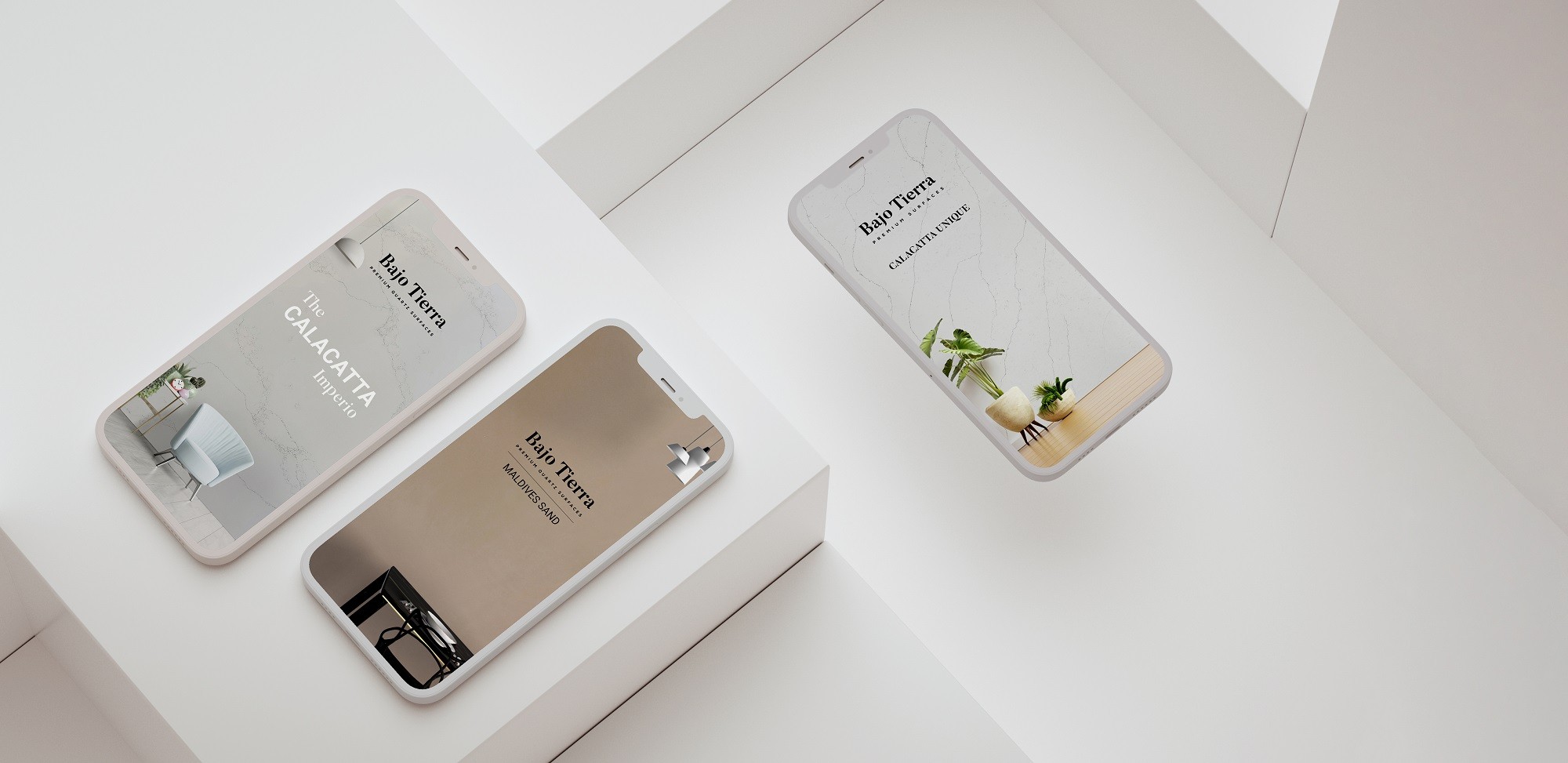
We worked on the launch communication for Bajo Tierra Quartz when it opened stores in Delhi and the UAE around the same time, and seeing both launches side by side taught me how much of the brand has to be rethought for the second one, and how much should stay exactly as it is. These are the six things I'd want any founder to decide before the first UAE store opens.
1. Know who is your walk-in
The Indian community is the obvious first audience, and it's a big one, but the UAE is home to more than 200 nationalities, so the person who walks into your store on any given day could be from Kerala, Lebanon, the Philippines or the UK. A Bajo Tierra showroom is a good example, because the people choosing a quartz surface for a kitchen are homeowners, architects and interior designers from all over the world, and each of them is reading the brand without any of the context an Indian customer brings with them.
Jaquar said something similar when it opened its Dubai showroom, describing it as designed for a multicultural audience with its own tastes in luxury and colour. Before you plan the launch, write down the three or four kinds of people you expect through the door, and check that the brand makes sense to each of them on its own.
2. Decide what the UAE is for
For some brands the UAE is the market they want to grow in, and for others it's the first test of whether the brand travels at all. Indian brands have started treating it as a scale laboratory, with the US and the UK as the prestige markets that come later, and some open several stores at once to get there. Highlander and Tokyo Talkies entered the UAE with three flagship stores on a single day through a local retail partner.
The answer to this changes how much you should spend and what you measure. A test market could need a clear question you want answered, and a growth market needs a plan for the next five stores.
3. Keep one brand across both markets
The temptation with a new market is to create something new for it, a separate campaign, a different tone, sometimes a different look. With Bajo Tierra we went the other way. The Delhi and UAE launches ran under one creative direction, with the social content, the emailers and the launch videos all tied back to the wider brand, so each store opening read as the next chapter of the same story.

This matters more than it sounds. Customers in Dubai look you up online, they find your Indian stores and your Instagram, and if the UAE launch looks like a different company, the trust you've built at home doesn't travel with you.
Unless it's one of your key strategies to differentiate the experience like what Aesop does. Aesop's brand guidelines apply to just the Bottles.
4. Adapt the details
Once the brand is consistent, the details are where you show you understand the place. Tanishq is a good example: it started by following the Indian diaspora abroad and then launched collections inspired by Arabic motifs for customers in the UAE, without changing what Tanishq stands for.
The calendar is another detail that changes. Diwali, Eid, Holi, Onam and Navratri are all celebrated publicly in the UAE, and Ramadan changes store hours and how people shop for a whole month, so a content calendar copied from India will miss half the moments that matter there.
5. Treat the store launch as content
A store opening abroad is one of the few moments when people are paying attention to you, and it's worth using properly. For Bajo Tierra the launch videos did a lot of that work. They gave the brand a more substantial visual presence than a feed of product photos ever could, and together with the emailers and the social posts, they gave people several ways to find out about the new stores. The brand videos deliberately focused on the product features and aesthetics that the quartz could bring while designing spaces. It appealed a global audience.
If your budget is limited, I'd put it into a few strong launch assets that keep working for months after the opening.
6. Choose how you enter
The last decision is the practical one. Some brands open their own flagship, some go in through a local retail partner, and others start with a shop-in-shop or a department store before committing to a lease. Each of these changes how much control you have over the space, and since the store is where the brand lives for a customer seeing you for the first time, that control is worth thinking about before you sign anything.
Before your first UAE store opens
If you're planning to take your brand to the UAE, these are the questions I'd want answered first: who's actually walking in, what the market is for, how the launch connects to the brand people already know from India, which details need to change for the place, and how the opening will be told. The answers make the launch much easier to plan, and they make the second store easier too.
You can see how we brought the Delhi and UAE launches together in the Bajo Tierra case study. If you're opening a restaurant abroad, I wrote about that in How to brand a modern Indian restaurant abroad. I also write about how brands build real relationships offline in my LinkedIn newsletter, Human Centric Brands. If you're planning a launch in the UAE and want to talk it through, my calendar is here.
